Join our mobile Rapid Response Network!
You can be the first to hear about how we’re going to hold this administration accountable and how you can fight back for wildlife!
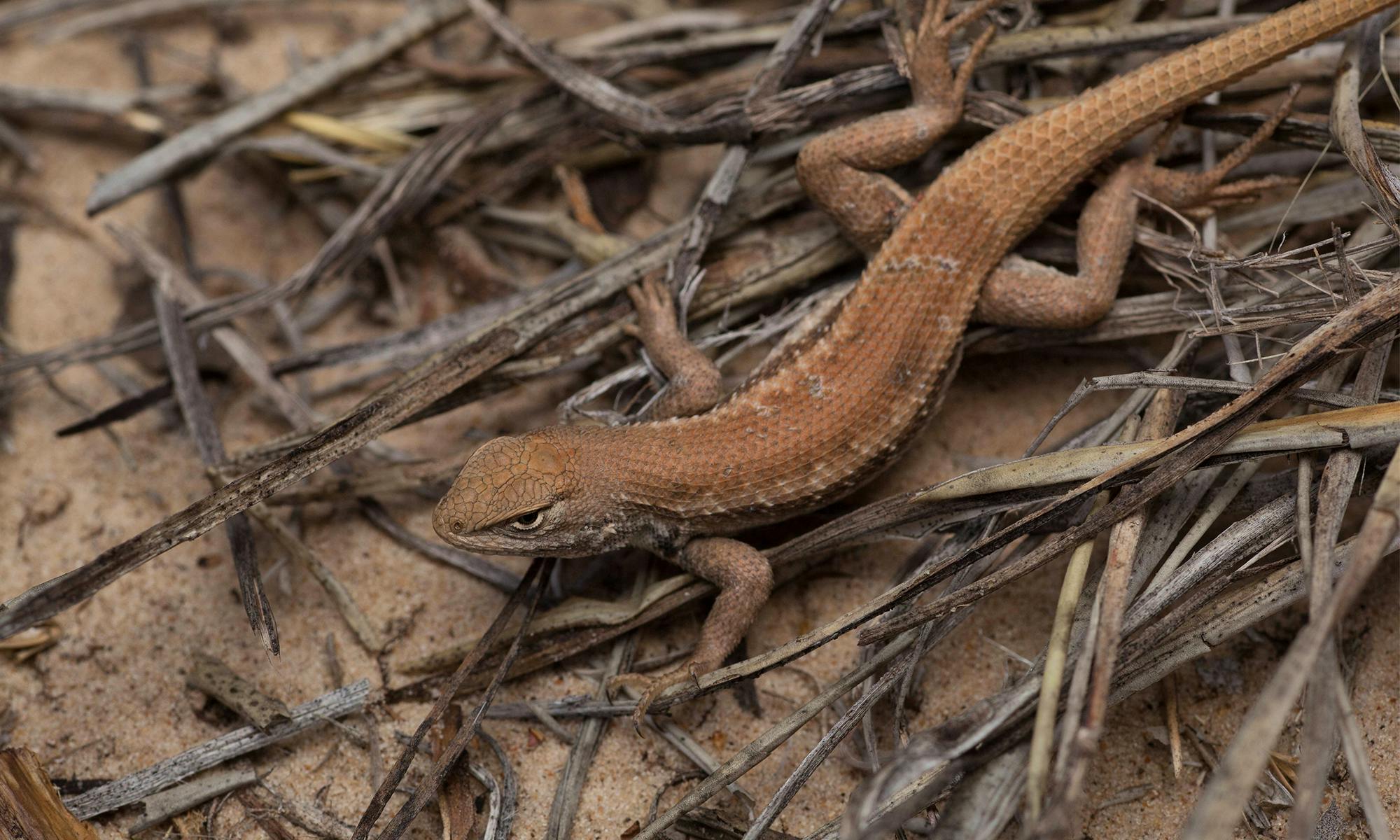
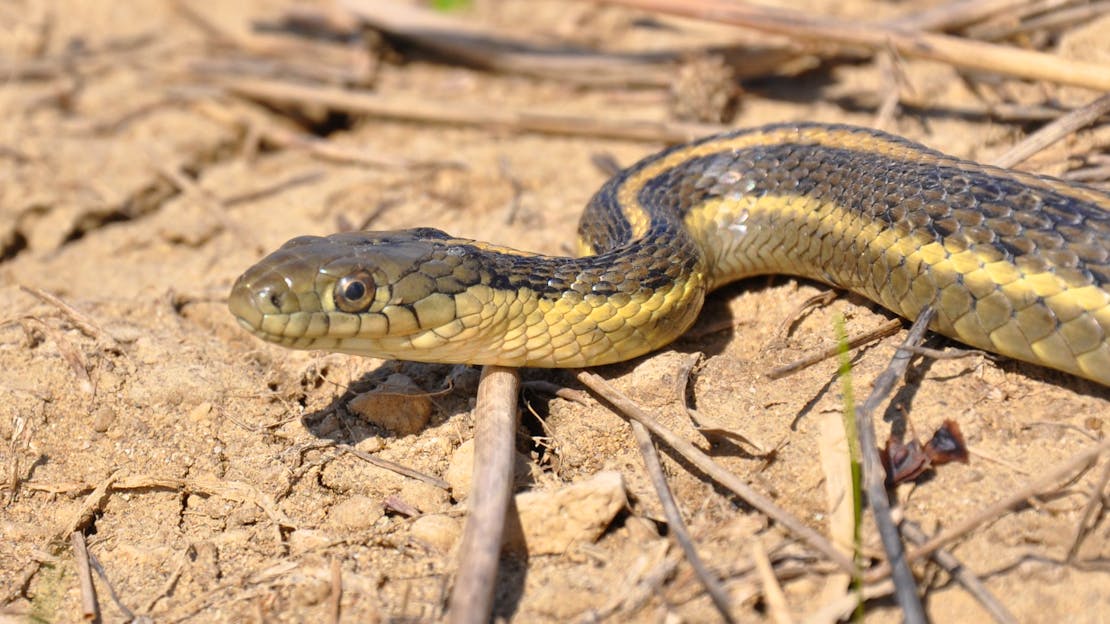
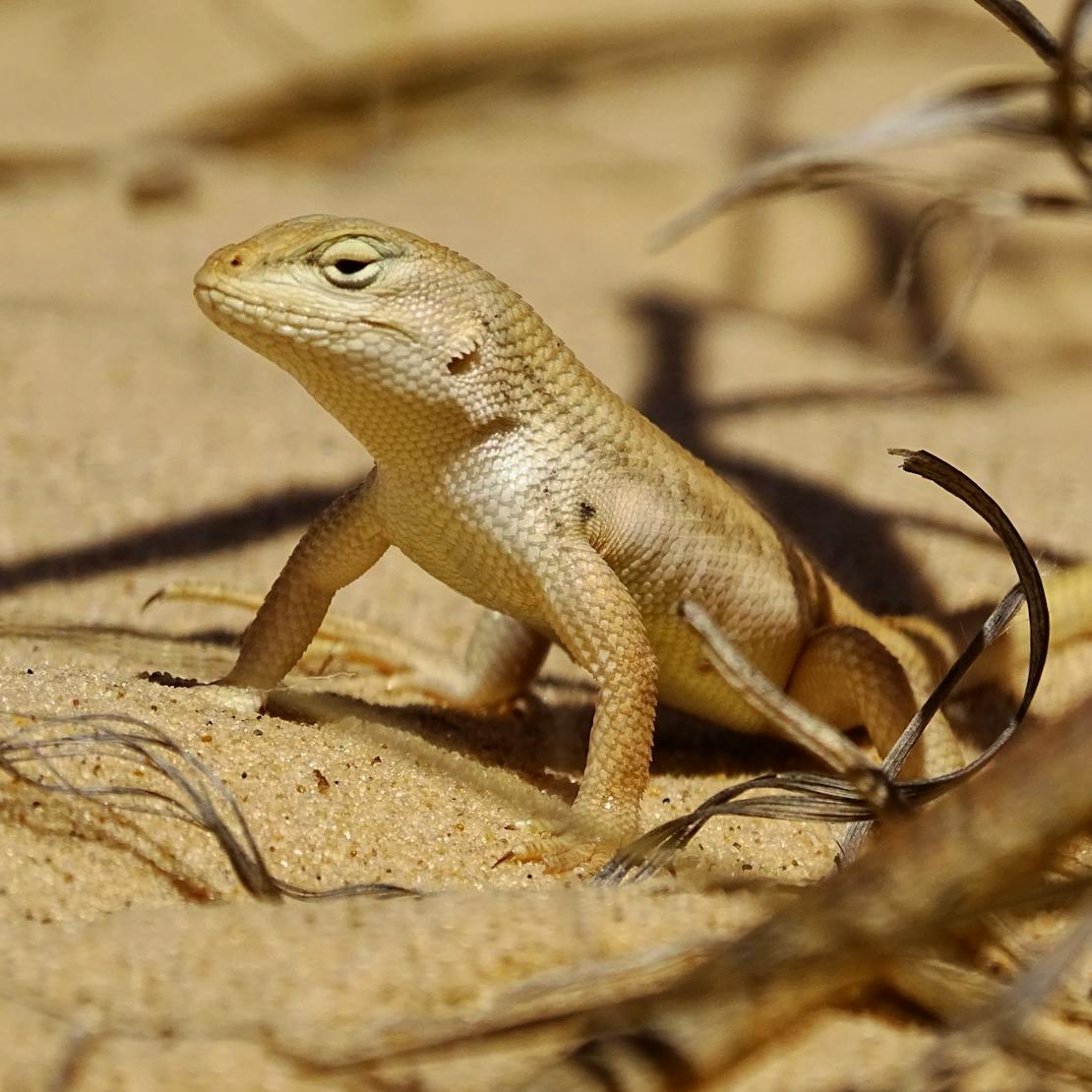
The giant garter snake (Thamnophis gigas), eastern indigo snake (Drymarchon couperi), blunt-nosed leopard lizard (Gambelia sila) and dunes sagebrush lizard (Sceloporus arenicolus) are all key species for Defenders of Wildlife.
Due to habitat loss and fragmentation, these species are facing a hard life in the wild. Land use change – from natural wetland, scrub or desert habitat to extractive industries or agriculture – has destroyed habitat across the country. Unfortunately, humans are encroaching the specific and connected tracts of habitat that these species need in order to survive.
Habitat loss and fragmentation, flood control activities, changes in agricultural and land management practices, predation from introduced species, road mortalities, water pollution and pesticide use are the main causes of the decline of these species.
dunes sagebrush lizard
giant garter snake and eastern indigo snake
blunt-nosed leopard lizard
eastern indigo snake
giant garter snake and dunes sagebrush lizard
blunt-nosed leopard lizard
Defenders' Impact
Defending habitat is extraordinarily important for all of these species and we are working across the country to protect both federal and private lands that are home to these snakes and lizards. In California, we are a member of the Central Valley Joint Venture, working to protect and enhance wetland habitat for giant garter snakes and other wildlife.
Our Smart from the Start program encourages responsible renewable energy siting that will protect habitat for wildlife like the blunt-nosed leopard lizard. Defenders works to protect habitat in Florida through our place on the Florida Gopher Tortoise Technical Advisory Group; gopher tortoise burrows provide shelter for 360 other species of wildlife, like eastern indigo snakes.
Using satellite data and cloud computing, we determined that sand mines on the Texas landscape are severely damaging the dune sagebrush lizard’s habitat and pushing the lizard towards extinction. We are working with companies that are voluntarily modifying their development plans, but we are also pushing for the dunes sagebrush lizard to be listed under the Endangered Species Act and we sued the Fish and Wildlife Service over its decision not to list the species.
What You Can Do
Protect wildlife habitat near your home or business. Snakes and lizards like these need the strong protections afforded to them by the Endangered Species Act and Clean Water Act so speak up in support of bedrock environmental laws.

About
The eastern indigo snake survives in peninsular Florida and southeast Georgia, persists in the Florida panhandle, but in low numbers, and has been extirpated from Alabama and Mississippi.The blunt-nosed leopard lizard is found only in the San Joaquin Valley and adjacent foothills, as well as the Carrizo Plain and Cuyama Valley.
Snakes are found throughout the world except Antarctica, Iceland, Ireland, Greenland and New Zealand and lizards are found everywhere except Antarctica and some islands. Biodiversity of both snakes and lizards is concentrated in the tropics, but they are found in many habitats including in the water, forests, deserts and prairies.
Population numbers are unknown, but due to shrinking habitat, populations of many species are declining.
Often observed flicking their tongues, snakes use their forked tongue to smell the air. Snakes and lizards are ectotherms, meaning they must regulate their body temperature externally by sunning themselves or retreating to cool, shaded areas. They are often uniquely camouflaged to their habitat to hide in plain sight. Snakes and lizards are more active in warmer months and many hibernate in winter. Eastern indigo snakes retreat into gopher tortoise burrows and other cavities.
Mating for these species generally occurs during the colder months or at the end of dormancy, with eggs being laid in the late spring or early summer. Giant garter snakes are one of the few species that give birth to live young (ranging from 10-46 young).
Snakes and lizards consume a variety of items including insects and other invertebrates, rodents, birds, frogs, eggs and other reptiles.
Read More About Snakes and Lizards
News